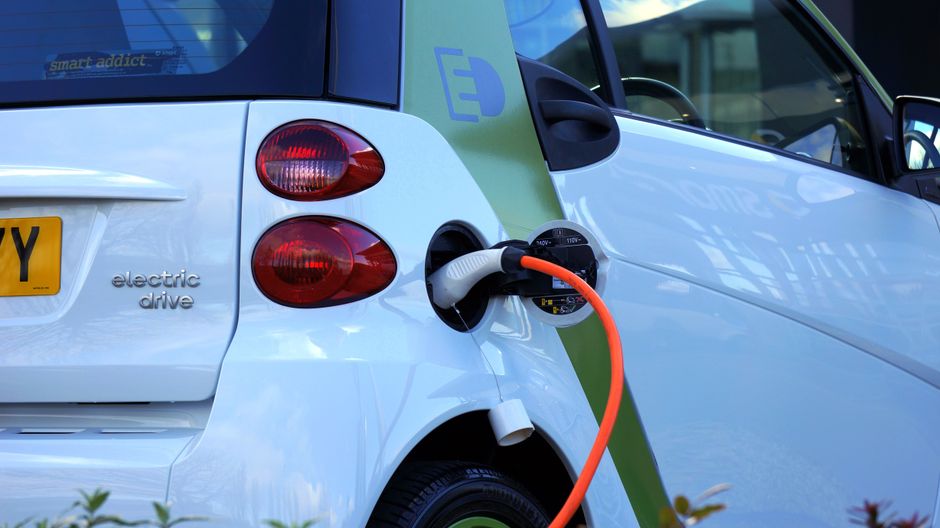
Your Level 2 charger trips the breaker nightly because the circuit is overloaded by simultaneous charging sessions or a faulty breaker; check…
See the fix →
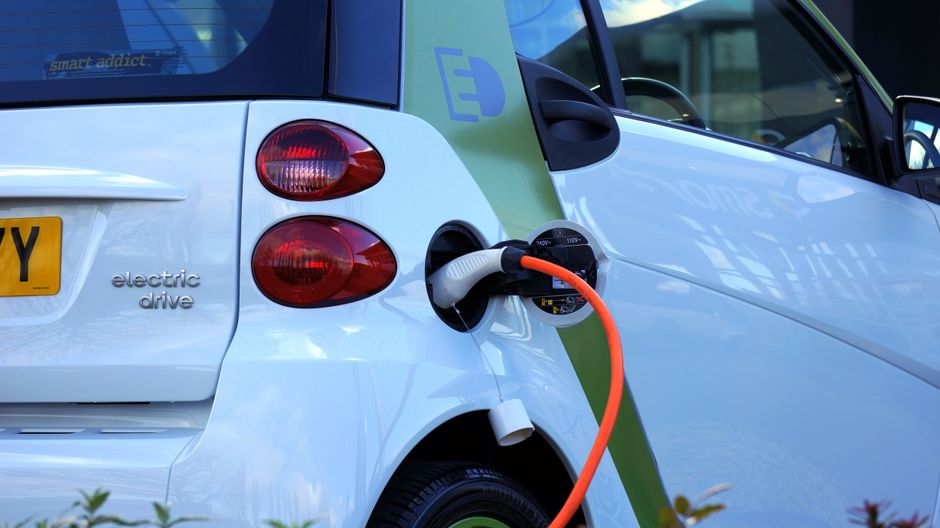
Your Level 2 charger trips the breaker because the circuit is overloaded, the breaker is undersized or worn, or the charger has…
See the fix →
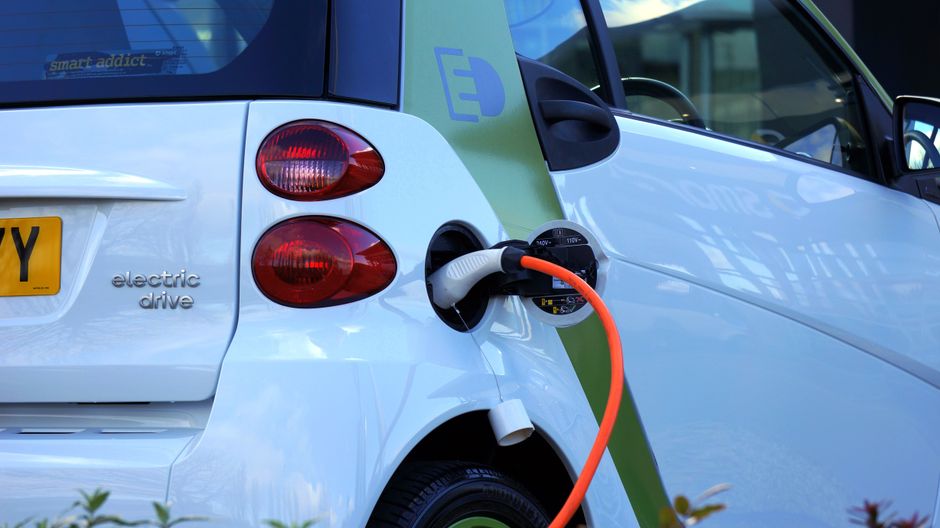
Your commercial Level 2 charger trips the breaker on plug-in because the vehicle's onboard charger draws a sudden inrush current that exceeds…
See the fix →
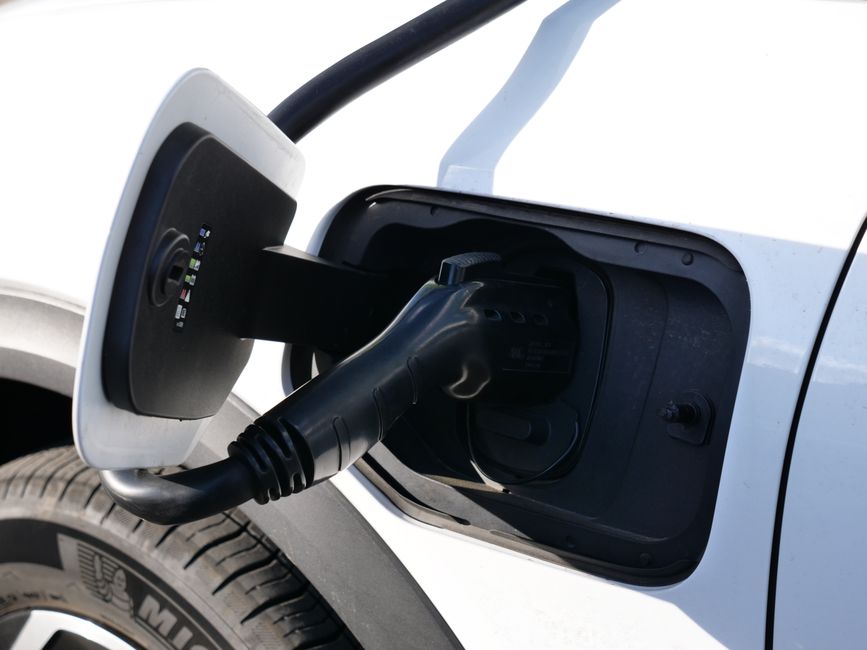
Your DC fast charger throttles to 50 kW because the vehicle's battery management system limits charge rate due to high battery temperature,…
See the fix →
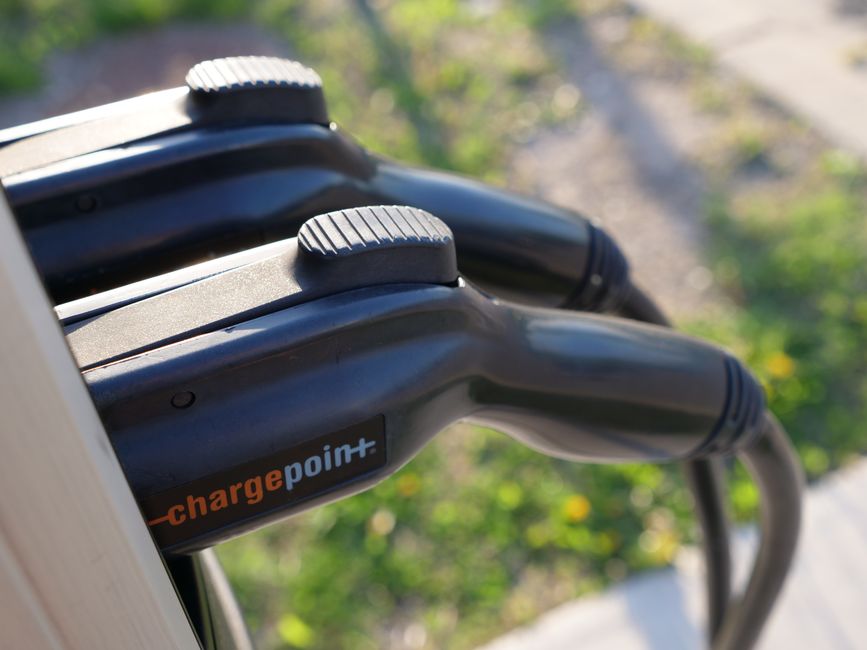
Your DC fast charger isn't broken — the vehicle's battery management system deliberately reduces charge acceptance above 80% SOC to protect battery…
See the fix →

A 'communication fault' on a DC fast charger usually means the charger can't handshake with the vehicle or the backend network, often…
See the fix →
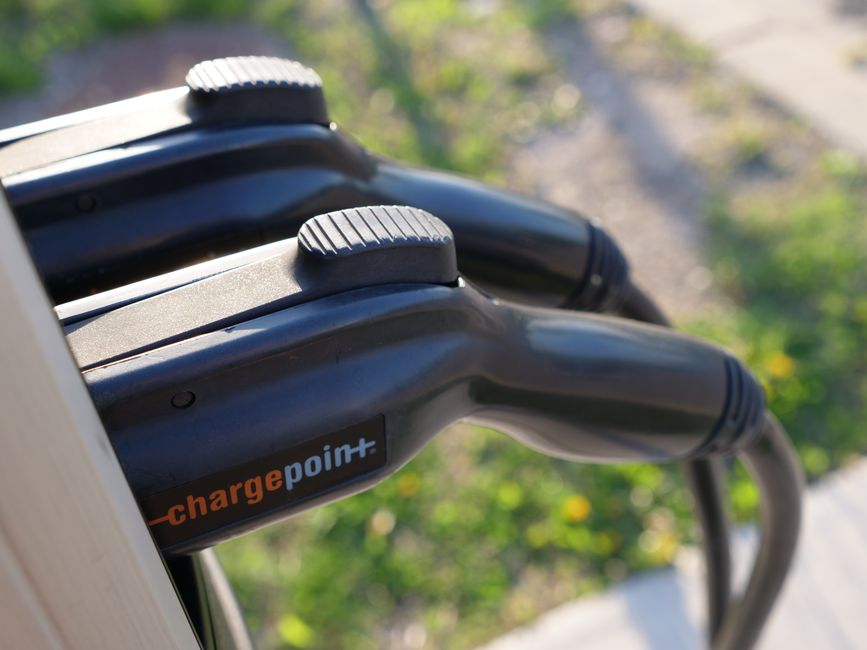
A 'Communication Error' that aborts sessions after ~2 minutes usually means the charger and vehicle lose the PLC (Power Line Communication) handshake…
See the fix →
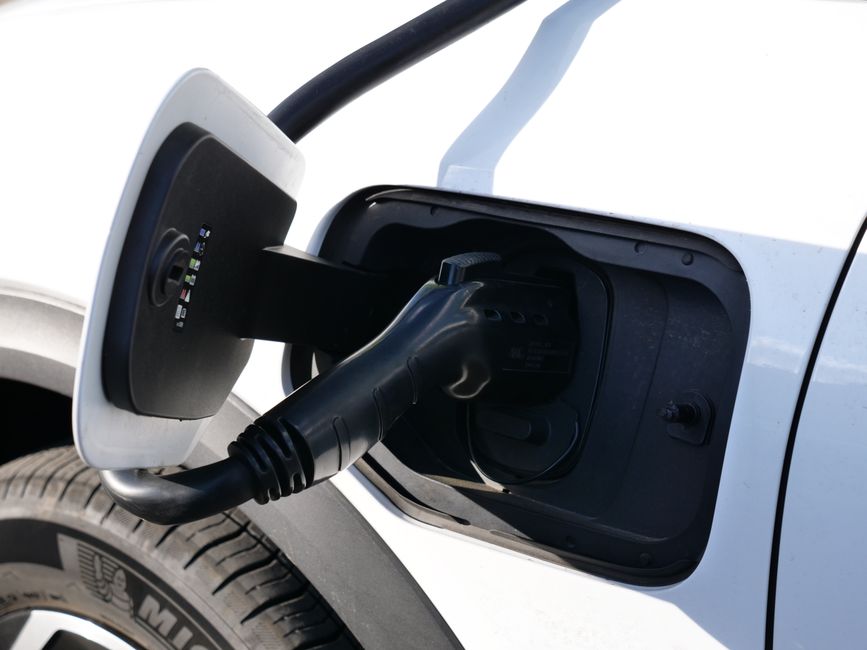
A 'Communication Error' on a DC fast charger with Ford E-Transit vans usually means the charger's CCS handshake fails due to outdated…
See the fix →
A DC fast charger showing a communication error usually means the vehicle and charger can't agree on a charging protocol, often due…
See the fix →
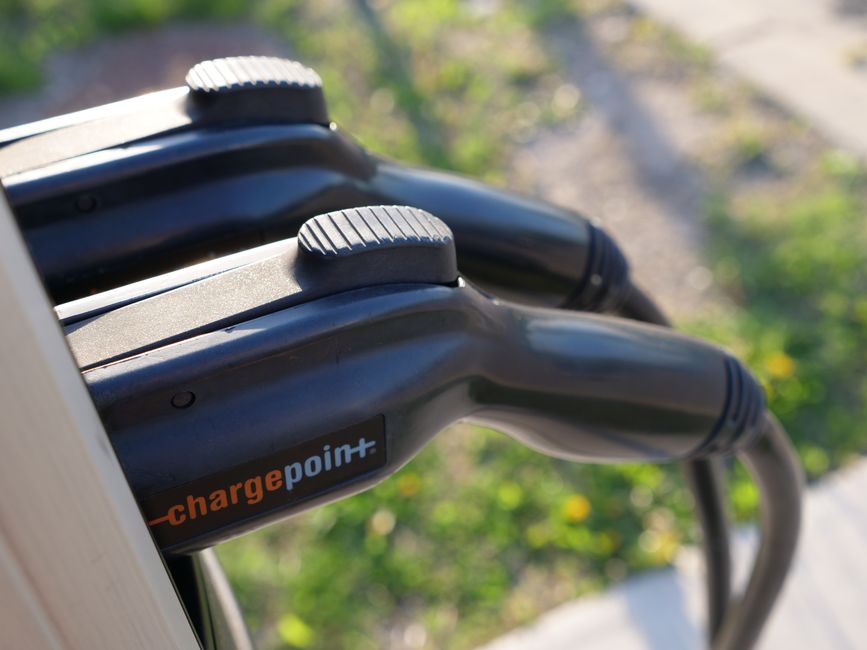
Error code 0x103 on a DC fast charger typically means a communication timeout between the charger and the vehicle's battery management system,…
See the fix →
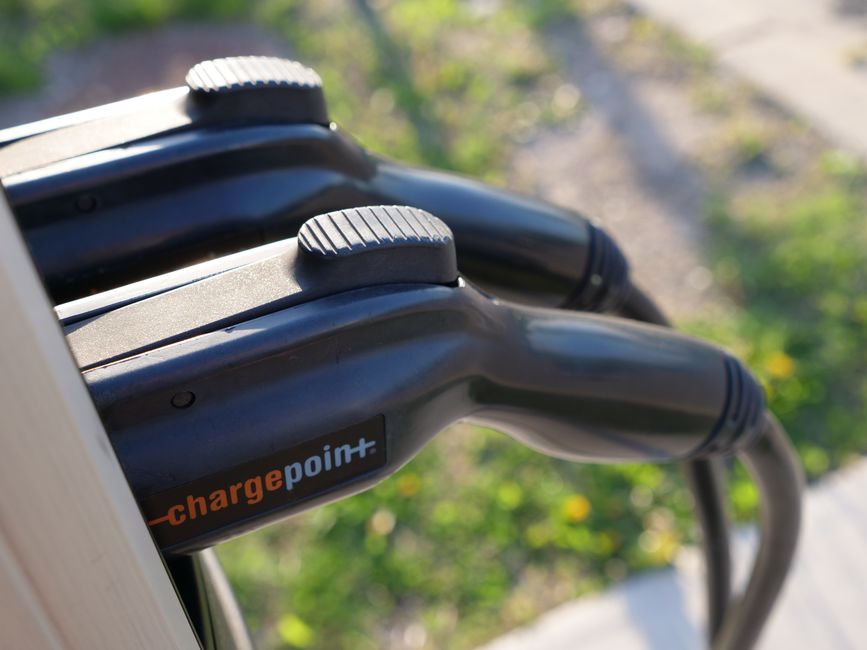
Error code 0x3F on a DC fast charger typically means a communication handshake failure between the charger and the vehicle's battery management…
See the fix →
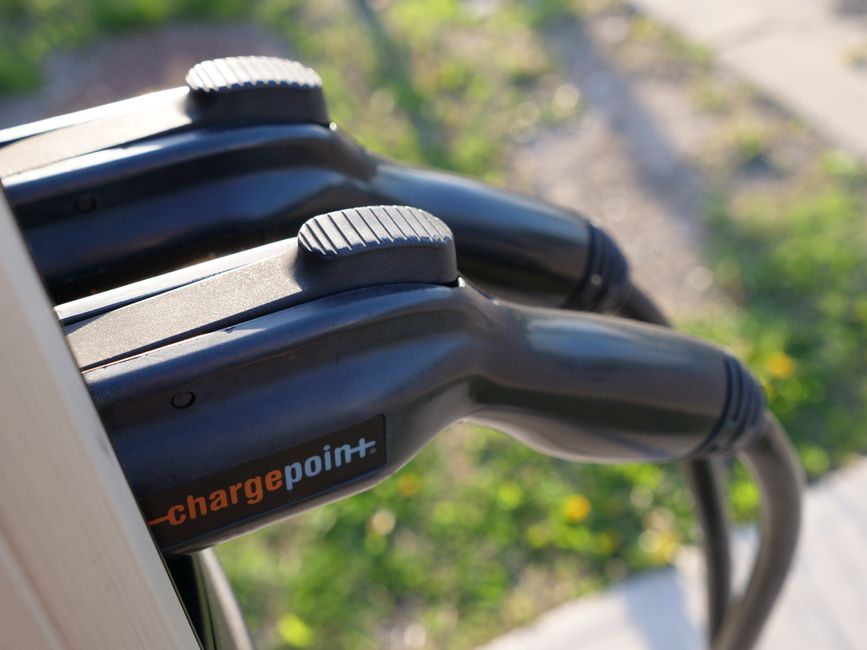
Error code 0x8001 on a DC fast charger usually means a communication failure between the charger and the vehicle's battery management system,…
See the fix →


